It's been a little over 3 months since my surgery. I can honestly say, this is NOT what I expected. I understand that everyone is different to a certain extent and results may vary. But, from all those I've talked to, and all the reading I've done, all the websites I've perused, there seem to not be any people like me.
What's so different? Everything. The amount of food I can comfortably eat is far more than most others who have had a VSG. I have experienced none of the dreaded side effects. I can eat what ever I want with no adverse effects. And the weight loss, while quite rapid in the first 4 weeks has, for all intents and purposes, stopped. I seem to lose inches, but the scale, it doesn't move.
Now I realize that much of this is my own fault. The last couple months have been chaotic. My son was born 2 months early and he spent the first 5 weeks of life in the NICU. That really throws a wrench in the diet plans. I live with someone who, even after having surgery herself, is a constant saboteur. I know I have very little willpower when confronted with foods I enjoy. Especially junk food and sugary food. Also a lover of fast food and eating out, she is, to say the least, a poor influence on my diet choices. So, I could certainly improve what I'm eating. But then that's been true for most of my life.
While my diet is still a constant struggle and my weight loss has stalled, other things are notably changed. On October 18, the day my son was borne, I completely forgot to take all of my medications. Today is December 18th and I still have yet to take any of those medications. My blood pressure is normal. I haven't had a single anxiety attack. My depression is..........gone. Or at least at such a low level that it's unnoticeable. Mostly. I have issues with getting overly emotional when confronted with sappy television commercials, puppies, babies. If I'm not careful the occasional television commercial will leave me crying like a hormonal teenage girl. So there is that. But then, my sex drive came back so I guess it's a fare trade.
I still have a long long way to go, but it sure seems easier now. My surgeon wants me to drop another 40 pounds in the next 3 months. That's going to be interesting. Especially with Christmas coming soon. Although, Thanksgiving was very different for me this year. I have always had a need to eat as much as possible when at a large dinner. Don't ask me why, it would take a book to explain the psychology behind it and I barely understand it myself. Just know that, in the past, when sitting at a table full of food my subconscious goal was to consume as much of it as I possible could. And I always did. This year, at Thanksgiving dinner, I didn't have that urge. The desire to stuff myself to the point of vomiting didn't show up. I ate, I made decent choices, and when I was satisfied, I stopped.
I can eat far more than most other people who have had the same surgery, but nothing like I could before surgery. I think I eat what a normal person would eat on an average day now, instead of what 4 normal people would eat. I actually get full now, before eating 4k calories as a sitting. I'm no longer hungry all the time. I eat, I stay full for several hours.
It is very true what they say about surgery. It's a tool, not a cure. It's up to me to use that tool to it's utmost potential.
The most difficult thing in life is to know yourself.
~Thales
EVERY DAY DO SOMETHING THAT WILL INCH YOU TOWARDS A BETTER TOMORROW.
Wednesday, December 18, 2013
Saturday, September 7, 2013
It's been 8 days now
My body has been many things over the last 39 years. It's been a trap, a prison, a bastion of pain and misery. But never has it been fascinating. Until now.
When beginning this journey I was made to answer questions, talk to various people, take classes. None of it fully prepares you for the reality of post surgery life. I was not expecting such drastic physiological changes. Nor was I expecting it to have such an affect on my psychological health.
The change in flavors and odors is odd enough. Getting use to how much I can eat, how fast I get full, and then hungry again is proving difficult. But the hardest thing for me is my head. To look at all the things I loved to eat and know that I can't. Just trying to sit though dinner with my family is enough to trigger my depression and cause me to leave the house.
It's much harder than I thought it would be. I miss not so much the food its self, but the flavors. To bite into a burger and taste the juice mixed with the toppings and bun. I know this gets better as time goes on. But right now, it sucks. I have no regrets with the surgery. The benefits to my health and longevity, not to mention the ability to actually do things far outweighs any temporary discomfort or aggravation. And remembering that is what's going to get me through this.
When beginning this journey I was made to answer questions, talk to various people, take classes. None of it fully prepares you for the reality of post surgery life. I was not expecting such drastic physiological changes. Nor was I expecting it to have such an affect on my psychological health.
The change in flavors and odors is odd enough. Getting use to how much I can eat, how fast I get full, and then hungry again is proving difficult. But the hardest thing for me is my head. To look at all the things I loved to eat and know that I can't. Just trying to sit though dinner with my family is enough to trigger my depression and cause me to leave the house.
It's much harder than I thought it would be. I miss not so much the food its self, but the flavors. To bite into a burger and taste the juice mixed with the toppings and bun. I know this gets better as time goes on. But right now, it sucks. I have no regrets with the surgery. The benefits to my health and longevity, not to mention the ability to actually do things far outweighs any temporary discomfort or aggravation. And remembering that is what's going to get me through this.
Thursday, September 5, 2013
Am I hungry or am I full???
As you grow up you learn your body. What certain sensations mean. You know when you're tired, when you want to wake up, or drink water, or use the bathroom. And most people know when they're hungry and when they're full. Now, some of us fat folks have a slight issue with the full side, but when we finally get there, we know. Usually.
Now, imagine you suddenly didn't. Your stomach pouch is the size of an egg, give or take. Everything inside has been moved, poked, filled with air. And it all feels completely different. You can't tell if the pain you're feeling is from the surgery or because you ate or drank too much. And you worry that you're going to do something to injure yourself. The last thing I feel like doing is going back for more surgery. So, you have to completely relearn your body signals. It's quite difficult to recognize something completely foreign.
Hunger is a collection of physical symptoms that begin with mild, periodic contractions of the stomach called hunger pangs that progress to a continuous pang, a ‘growling’ noise and perhaps even to lightheadedness. These signals prompt a person to seek food. Sensations of hunger typically begin several hours after the last meal a person ate. Researchers have suggested that hunger occurs when blood sugar and/or liver glycogen fall below an optimal level.
Appetite is the emotional desire to eat. Appetite may be general such as simply wanting to eat whatever food is readily available, or it can be very specific, such as a craving for a particular food item like chocolate or mashed potatoes.
Satiety is the disappearance of hunger after a meal.
Satiation is the feeling of being full to or beyond the point of satisfaction.
Satiety is what we're after these days. And this can be problematic, especially at first. There should be a sensation of pressure or fullness in the center of your abdomen just below your rib cage. Some people feel a sense of pressure up under their shoulder blade. Stop eating as soon as you feel these sensations. One small bite can be the difference between full and "oh my god, kill me now".
Overeating after surgery can bring very uncomfortable side effects including nausea, heartburn, and even vomiting.
Eating inappropriately is the most common source of vomiting following bariatric surgery. Common causes of vomiting after surgery are:
Your stomach can't handle the amount you used to eat before the gastric bypass, so you might experience indigestion if you eat too much. Also, indigestion can result from poorly chewed food. The opening between your stomach and small intestine is smaller than it used to be, so large pieces of food can block the opening and inhibit digestion. Symptoms might include nausea, vomiting or abdominal pain. Tell your doctor about all digestive symptoms in case they are due to a complication. Chew your food to a pureed consistency to decrease the chances of obstruction.
http://www.livestrong.com/article/488087-what-if-i-eat-too-much-if-ive-had-gastric-bypass/
http://www.localbariatricsurgeon.com/surgical-weight-loss/recognizing-signs-of-fullness-after-bariatric-surgery
http://www.bluepointgroup.com/weight-loss-surgery/problems-after-surgery/
Now, imagine you suddenly didn't. Your stomach pouch is the size of an egg, give or take. Everything inside has been moved, poked, filled with air. And it all feels completely different. You can't tell if the pain you're feeling is from the surgery or because you ate or drank too much. And you worry that you're going to do something to injure yourself. The last thing I feel like doing is going back for more surgery. So, you have to completely relearn your body signals. It's quite difficult to recognize something completely foreign.
Hunger is a collection of physical symptoms that begin with mild, periodic contractions of the stomach called hunger pangs that progress to a continuous pang, a ‘growling’ noise and perhaps even to lightheadedness. These signals prompt a person to seek food. Sensations of hunger typically begin several hours after the last meal a person ate. Researchers have suggested that hunger occurs when blood sugar and/or liver glycogen fall below an optimal level.
Appetite is the emotional desire to eat. Appetite may be general such as simply wanting to eat whatever food is readily available, or it can be very specific, such as a craving for a particular food item like chocolate or mashed potatoes.
Satiety is the disappearance of hunger after a meal.
Satiation is the feeling of being full to or beyond the point of satisfaction.
Satiety is what we're after these days. And this can be problematic, especially at first. There should be a sensation of pressure or fullness in the center of your abdomen just below your rib cage. Some people feel a sense of pressure up under their shoulder blade. Stop eating as soon as you feel these sensations. One small bite can be the difference between full and "oh my god, kill me now".
Overeating after surgery can bring very uncomfortable side effects including nausea, heartburn, and even vomiting.
Eating inappropriately is the most common source of vomiting following bariatric surgery. Common causes of vomiting after surgery are:
- eating too fast
- not chewing food properly
- eating too much food at once
- eating solid foods too soon after surgery
- drinking liquids either with meals or immediately before or after meals
- lying down shortly after eating a meal
- eating foods that do not agree with you
Your stomach can't handle the amount you used to eat before the gastric bypass, so you might experience indigestion if you eat too much. Also, indigestion can result from poorly chewed food. The opening between your stomach and small intestine is smaller than it used to be, so large pieces of food can block the opening and inhibit digestion. Symptoms might include nausea, vomiting or abdominal pain. Tell your doctor about all digestive symptoms in case they are due to a complication. Chew your food to a pureed consistency to decrease the chances of obstruction.
http://www.livestrong.com/article/488087-what-if-i-eat-too-much-if-ive-had-gastric-bypass/
http://www.localbariatricsurgeon.com/surgical-weight-loss/recognizing-signs-of-fullness-after-bariatric-surgery
http://www.bluepointgroup.com/weight-loss-surgery/problems-after-surgery/
Taste and Smell, they changed drastically
And I wondered why. So, off to Google I went to do some reading. It seems the leading suspect is a substance called ghrelin. Ghrelin is responsible for enhancing exploratory sniffing and olfactory
sensitivity in order to locate, identify, and select foods. In a 2011
study, Tong et al concluded that lower ghrelin production equaled
increased satiety and pleasantness ratings for food odors were reduced
dramatically in humans.
Ghrelin is a hormone produced mainly by P/D1 cells lining the fundus of the human stomach and epsilon cells of the pancreas that stimulates hunger. Ghrelin levels increase before meals and decrease after meals. It is considered the counterpart of the hormone leptin, produced by adipose tissue, which induces satiation when present at higher levels. In some bariatric procedures, the level of ghrelin is reduced in patients, thus causing satiation before it would normally occur.
So, with the removal of most of the stomach, the production level of ghrelin is greatly reduced. This causes changes in the need or desire for food and thus the olfactory stimulus normally associated with many foods.
Ghrelin has emerged as the first identified circulating hunger hormone. Ghrelin is also the only known circulating orexigen, or appetite enhancing hormone. It is produced mainly in the small and large intestines, but can also be secreted by the lungs, pancreatic islets, gonads, adrenal cortex, placenta, kidney and brain (Ariyasu, 2001). Again the diversity in areas of ghrelin production indicates that this hormone has widespread and numerous biological function. Ghrelin and synthetic ghrelin mimetics (the growth hormone secretagogues) increase food intake and increase fat mass[16][17] by an action exerted at the level of the hypothalamus. They activate cells in the arcuate nucleus[18][19] that include the orexigenic neuropeptide Y (NPY) neurons.[20] Ghrelin-responsiveness of these neurons is both leptin- and insulin-sensitive.[21] Ghrelin also activates the mesolimbic cholinergic-dopaminergic reward link, a circuit that communicates the hedonic and reinforcing aspects of natural rewards, such as food, as well as of addictive drugs, such as ethanol.[21][22][23] Indeed, central ghrelin signalling is required for reward from alcohol.[24] and palatable/rewarding foods.[25][26] There is also strong evidence that ghrelin has a peripheral appetite modulatory effect on satiety by affecting the mechanosensitivity of gastric vagal afferents, making them less sensitive to distension resulting in over eating.[5]
I had many issues with the last sentence above. I would eat, eat some more and be hungry. So I would eat some more. And feel hungry. And then, after stuffing myself with entirely too much food I would suddenly feel full.
Body weight is regulated through energy balance, the amount of energy taken in versus the amount of energy expended over an extended period of time. Studies have shown that ghrelin levels are negatively correlated with weight. This data suggests that ghrelin functions as an adiposity signal, a messenger between the body’s energy stores and the brain (Schwartz, 2000). When a person loses weight their ghrelin levels increase, which causes increased food consumption and weight gain. Conversely, when a person gains weight, their ghrelin levels drops, leading to a decrease in food consumption and weight loss (Tung, 2005). This suggests that ghrelin acts as a body weight regulator, continually keeping one’s body weight and energy stores in check.
This, of course, is assuming that your body functions properly.
The change in taste and smell actually have a much researched name. It can present in people who have not had surgery for various reasons.
Disorders of taste and smell may be overlooked in aspects of medical practice because these senses are not considered critical to life. However, it is important to diagnose and treat dysguesia and dysosmia because these disorders could possibly lead to nutritional deficiencies (which in turn could cause other more severe problems), if they prevent a patient from consuming adequate food and/or supplements.
The disorders of smell are classified as "-osmias" and those of taste as "-geusias."
So I'm fascinated and anxious to discover what else smells different and what else tastes different. I know that chocolate milk is off the edible list. That was a most disgusting experiment.
Ghrelin is a hormone produced mainly by P/D1 cells lining the fundus of the human stomach and epsilon cells of the pancreas that stimulates hunger. Ghrelin levels increase before meals and decrease after meals. It is considered the counterpart of the hormone leptin, produced by adipose tissue, which induces satiation when present at higher levels. In some bariatric procedures, the level of ghrelin is reduced in patients, thus causing satiation before it would normally occur.
So, with the removal of most of the stomach, the production level of ghrelin is greatly reduced. This causes changes in the need or desire for food and thus the olfactory stimulus normally associated with many foods.
Ghrelin has emerged as the first identified circulating hunger hormone. Ghrelin is also the only known circulating orexigen, or appetite enhancing hormone. It is produced mainly in the small and large intestines, but can also be secreted by the lungs, pancreatic islets, gonads, adrenal cortex, placenta, kidney and brain (Ariyasu, 2001). Again the diversity in areas of ghrelin production indicates that this hormone has widespread and numerous biological function. Ghrelin and synthetic ghrelin mimetics (the growth hormone secretagogues) increase food intake and increase fat mass[16][17] by an action exerted at the level of the hypothalamus. They activate cells in the arcuate nucleus[18][19] that include the orexigenic neuropeptide Y (NPY) neurons.[20] Ghrelin-responsiveness of these neurons is both leptin- and insulin-sensitive.[21] Ghrelin also activates the mesolimbic cholinergic-dopaminergic reward link, a circuit that communicates the hedonic and reinforcing aspects of natural rewards, such as food, as well as of addictive drugs, such as ethanol.[21][22][23] Indeed, central ghrelin signalling is required for reward from alcohol.[24] and palatable/rewarding foods.[25][26] There is also strong evidence that ghrelin has a peripheral appetite modulatory effect on satiety by affecting the mechanosensitivity of gastric vagal afferents, making them less sensitive to distension resulting in over eating.[5]
I had many issues with the last sentence above. I would eat, eat some more and be hungry. So I would eat some more. And feel hungry. And then, after stuffing myself with entirely too much food I would suddenly feel full.
Body weight is regulated through energy balance, the amount of energy taken in versus the amount of energy expended over an extended period of time. Studies have shown that ghrelin levels are negatively correlated with weight. This data suggests that ghrelin functions as an adiposity signal, a messenger between the body’s energy stores and the brain (Schwartz, 2000). When a person loses weight their ghrelin levels increase, which causes increased food consumption and weight gain. Conversely, when a person gains weight, their ghrelin levels drops, leading to a decrease in food consumption and weight loss (Tung, 2005). This suggests that ghrelin acts as a body weight regulator, continually keeping one’s body weight and energy stores in check.
This, of course, is assuming that your body functions properly.
The change in taste and smell actually have a much researched name. It can present in people who have not had surgery for various reasons.
Disorders of taste and smell may be overlooked in aspects of medical practice because these senses are not considered critical to life. However, it is important to diagnose and treat dysguesia and dysosmia because these disorders could possibly lead to nutritional deficiencies (which in turn could cause other more severe problems), if they prevent a patient from consuming adequate food and/or supplements.
The disorders of smell are classified as "-osmias" and those of taste as "-geusias."
- Anosmia - Inability to detect odors
- Hyposmia - Decreased ability to detect odors
- Dysosmia - Distorted identification of smell
- Parosmia - Altered perception of smell in the presence of an odor, usually unpleasant
- Phantosmia – Perception of smell without an odor present
- Agnosia - Inability to classify or contrast odors, although able to detect odors
- Ageusia - Inability to taste
- Hypogeusia - Decreased ability to taste
- Dysgeusia – Distorted ability to taste
So I'm fascinated and anxious to discover what else smells different and what else tastes different. I know that chocolate milk is off the edible list. That was a most disgusting experiment.
Day Six Post Op
And over 10 pounds gone forever. Todays weight is 486.4 When I went in for surgery on the 30th I was a touch over 500. So, at this point I have lost a bit over 100 pounds.
The pain is significantly lessened today. I had an interesting experience in bed last night. It felt like everything in my belly suddenly fell back into place. As if the swelling had subsided enough for things to return home. And a second after that feeling, the pain level diminished noticeably.
Also, my emotions seem to have regulated for the most part. Still have episodes every once in while, but nothing like it was the first couple days. That may have to do with getting my meds back in me more than anything else.
So now it's about healing, eating and drinking what I need to and figuring out and focusing on, the future.
The pain is significantly lessened today. I had an interesting experience in bed last night. It felt like everything in my belly suddenly fell back into place. As if the swelling had subsided enough for things to return home. And a second after that feeling, the pain level diminished noticeably.
Also, my emotions seem to have regulated for the most part. Still have episodes every once in while, but nothing like it was the first couple days. That may have to do with getting my meds back in me more than anything else.
So now it's about healing, eating and drinking what I need to and figuring out and focusing on, the future.
Wednesday, September 4, 2013
Post surgery
The last six days have been intense. I went in for surgery on the 29th of August at 10:30 am and finished up surgery around 3 that afternoon. I remember very very little of that day.
The pain is the first thing I remember. It was substantially more than I had imagined. A very intense, burning pain that just didn't stop. It doesn't help that I have unpredictable reactions to medications and what they had been giving me for pain just wasn't working. So they gave me more. And then some more. And then some more. And then I woke up in my room after apparently overdosing on pain medication.
So, once I'm awake and functioning it's standard hospital stay procedure, with the exception of food. And the fluids. And the fluids. And the fluids. 15ml every 15 minutes for the first day and then 30ml every 15 minutes after. Let me tell you, that's a pain in the butt.
And you get really tired of jello really fast.
They get very concerned about blood clots after such an invasive surgery.
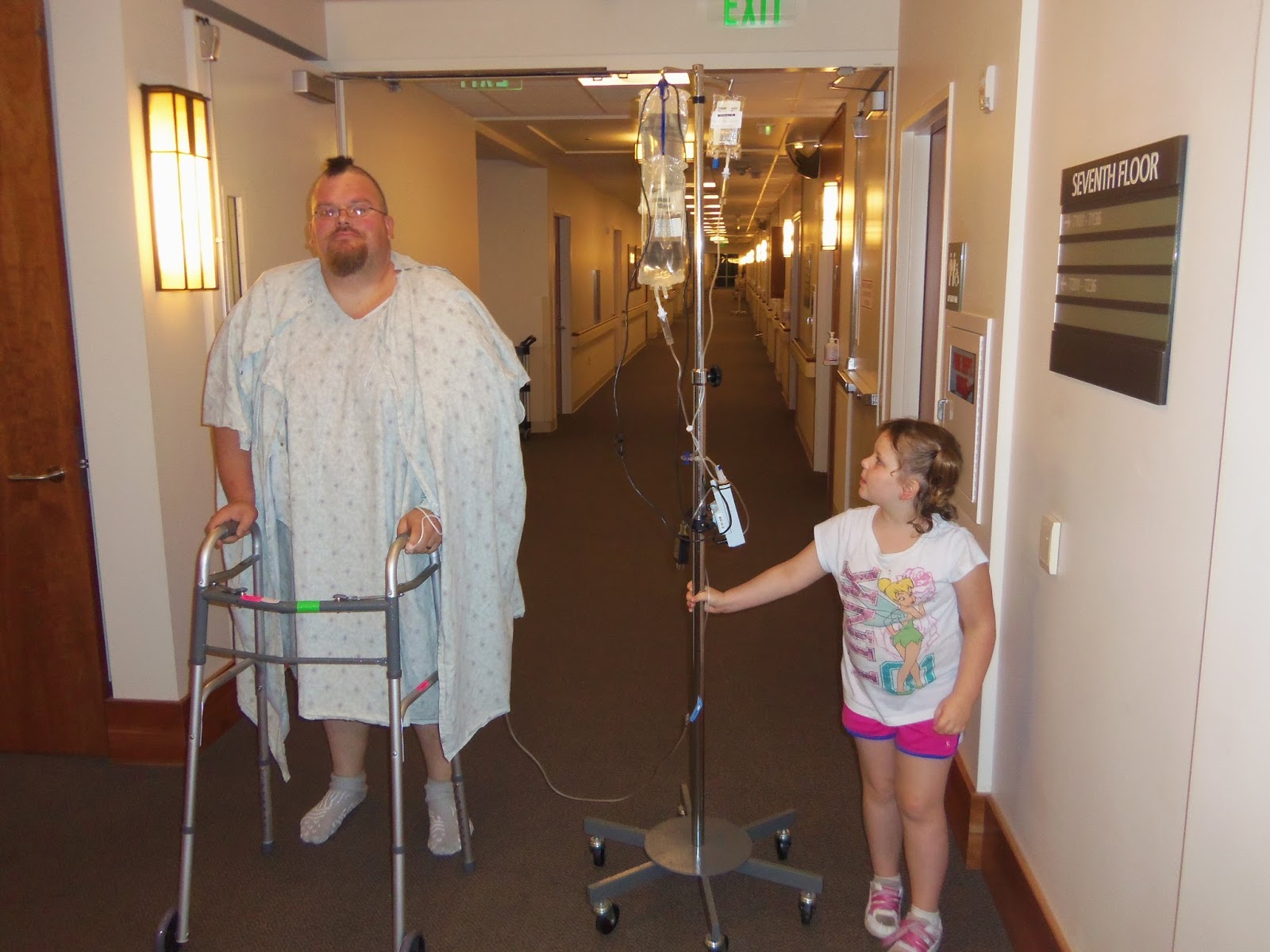
So they make you walk as much as possible. For me, not an easy achievement. The pain was pretty extreme in my case. But with the help of my little cheer leader I managed to do my rounds.
The walking did get easier after the first day. I could do it without worrying about falling over in the hallway.
So, I spent a day longer in recovery at the hospital than many people do. My body just wasn't adjusting to such a drastic change. It took some time to get the pain under control and then my blood work came back with low potassium. If you're ever in the hospital and someone mentions an IV drip of potassium, run. Run fast. It was like having lava pored into my arm. And no, that is not an exaggeration. It was so extreme that the nurse stopped it and made the doctor figure out something different. So, I got to drink the liquid version. How utterly disgusting. But in comparison, a joy.
Potassium is a mineral that helps maintain the water and acid balance in blood and tissue cells, assists in muscle building, and transmits electrical signals between cells and nerves. Symptoms of hypokalemia, or potassium deficiency, include dry skin, muscle weakness, fatigue, and slow reflexes. If the deficiency develops rapidly or is left unchecked, heart problems and paralysis may result. Hypokalemia is a very serious condition which requires immediate medical attention.
So, after getting the potassium under control, checking my blood sugars every couple hours, sucking my blood like a hungry vampired and filling me full of fluids and antibiotics, all was well in the world. Well, mostly.
Home again Home again Jigity Jig
So, after three long days in a hospital room it was finally time to go home. I was ready. Eager even. And then I got home. The level of exhaustion my body was hit with, mind boggling. All I wanted to do was sleep. So I did. For hours and hours and hours. And then weird, unpleasant things started to happen. All in my head, or mostly. The emotional roller coaster I experienced, and still am to a small extent, was intense.
I went down, down and down. Panic attacks rolled through me while I laid in bed. Feelings of remorse, of extreme regret. Feeling like I made the biggest mistake since the first atomic bomb got built. I laid in bed, contemplating the pains I was feeling and wondering if I had made the right decision. Wondering if I was going to really be able to do what I need to do to be successful. For some time I was nearly in tears.
Now, when you sign up for this surgery they warn you about all of this. But really who takes it all that seriously until it's happening to you? Knowing what to expect and then actually experiencing it, very different. It seems that depression, even extreme depression, is quite common after such a life altering surgery. But, for someone who has fought against it for so many years, it felt like a slide backwards, toward the abyss. An altogether unpleasant experience. But that, happily, is becoming less and less of an issue as the hours pass.
Now it is all about adjusting. Learning my body again. Eating what I should, how much I should. Making sure to get plenty of fluids. And the hardest of all, relearning my body signals. Figuring out the difference between surgery pain, hungry pain and too full pain. It's much harder than you would think.
And the very strange changes in your body. Things taste different, smell different. I had a touch of chocolate milk and almost vomited from the flavor, it was horribly horrible. Hamburgers don't smell the same, nor do pickles. I'm not sure what else will be different because I'm limited in what I can eat for now, but it will be interesting to out.
The pain is the first thing I remember. It was substantially more than I had imagined. A very intense, burning pain that just didn't stop. It doesn't help that I have unpredictable reactions to medications and what they had been giving me for pain just wasn't working. So they gave me more. And then some more. And then some more. And then I woke up in my room after apparently overdosing on pain medication.
So, once I'm awake and functioning it's standard hospital stay procedure, with the exception of food. And the fluids. And the fluids. And the fluids. 15ml every 15 minutes for the first day and then 30ml every 15 minutes after. Let me tell you, that's a pain in the butt.
| Dinner is served |
| walking with the boss |
| My best friend in the whole world |
So they make you walk as much as possible. For me, not an easy achievement. The pain was pretty extreme in my case. But with the help of my little cheer leader I managed to do my rounds.
The walking did get easier after the first day. I could do it without worrying about falling over in the hallway.
So, I spent a day longer in recovery at the hospital than many people do. My body just wasn't adjusting to such a drastic change. It took some time to get the pain under control and then my blood work came back with low potassium. If you're ever in the hospital and someone mentions an IV drip of potassium, run. Run fast. It was like having lava pored into my arm. And no, that is not an exaggeration. It was so extreme that the nurse stopped it and made the doctor figure out something different. So, I got to drink the liquid version. How utterly disgusting. But in comparison, a joy.
Potassium is a mineral that helps maintain the water and acid balance in blood and tissue cells, assists in muscle building, and transmits electrical signals between cells and nerves. Symptoms of hypokalemia, or potassium deficiency, include dry skin, muscle weakness, fatigue, and slow reflexes. If the deficiency develops rapidly or is left unchecked, heart problems and paralysis may result. Hypokalemia is a very serious condition which requires immediate medical attention.
So, after getting the potassium under control, checking my blood sugars every couple hours, sucking my blood like a hungry vampired and filling me full of fluids and antibiotics, all was well in the world. Well, mostly.
Home again Home again Jigity Jig
So, after three long days in a hospital room it was finally time to go home. I was ready. Eager even. And then I got home. The level of exhaustion my body was hit with, mind boggling. All I wanted to do was sleep. So I did. For hours and hours and hours. And then weird, unpleasant things started to happen. All in my head, or mostly. The emotional roller coaster I experienced, and still am to a small extent, was intense.
I went down, down and down. Panic attacks rolled through me while I laid in bed. Feelings of remorse, of extreme regret. Feeling like I made the biggest mistake since the first atomic bomb got built. I laid in bed, contemplating the pains I was feeling and wondering if I had made the right decision. Wondering if I was going to really be able to do what I need to do to be successful. For some time I was nearly in tears.
Now, when you sign up for this surgery they warn you about all of this. But really who takes it all that seriously until it's happening to you? Knowing what to expect and then actually experiencing it, very different. It seems that depression, even extreme depression, is quite common after such a life altering surgery. But, for someone who has fought against it for so many years, it felt like a slide backwards, toward the abyss. An altogether unpleasant experience. But that, happily, is becoming less and less of an issue as the hours pass.
Now it is all about adjusting. Learning my body again. Eating what I should, how much I should. Making sure to get plenty of fluids. And the hardest of all, relearning my body signals. Figuring out the difference between surgery pain, hungry pain and too full pain. It's much harder than you would think.
And the very strange changes in your body. Things taste different, smell different. I had a touch of chocolate milk and almost vomited from the flavor, it was horribly horrible. Hamburgers don't smell the same, nor do pickles. I'm not sure what else will be different because I'm limited in what I can eat for now, but it will be interesting to out.
Monday, August 26, 2013
IVC filter insertion
OK, couple things here. First, quick and painless my ass. Secondly, one of the biggest non health related pains in the ass about being a large person; you just don't fit. You need special beds, special tables, special chairs. It's obnoxious. Especially when dealing with medical procedures. Today would have taken half as long if I weighed less. Instead, they had to clear an OR for me.
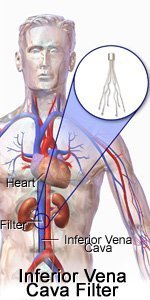
Inferior
vena cava filter placement is a procedure to place a filter into your
inferior vena cava (IVC). The IVC is a large blood vessel that brings
blood from your lower body back to your heart. The filter is a small
mesh strainer made of thin wires. It is placed in the center of the IVC
to trap blood clots going to your heart or lungs.
I was awake for the entire procedure. While not terribly painful or even uncomfortable, it was quite odd. I could feel the catheter being inserted and the filter sliding down my vein. While there was very little pain at the time it is VERY disconcerting to feel something going down the inside of your neck.
Temporary or retrievable filters (also called optional filters) can usually be retrieved or repositioned up to a certain point in time. With time, the filter becomes incorporated into the caval wall and may not be removable. The Cook Celect and Gunther Tulip filters are optional filters; they have retrieval kits that are used to snare the apical hooks and retrieve the filters. While removal within 30 days is typical, successful filter removal more than 1 year after implantation has been reported
My procedure was done through the neck, the jugular vein (which still hurts by the way)
A catheter is a long, thin plastic tube that is the same size or smaller than a pencil.
X-ray:
Ultrasound:
OK, so this was all kind of cool. Even though I had a "tent" over my head it was pulled up enough to offer a view of the screens for the ultrasound and the xray. Watching the die show up and my insides change color was fascinating. As was watching the filter being put in. I could see my intestines, my spine and my ribs. The photos below aren't of my procedure obviously, but they are pretty much exactly what I was able to see.

Inferior Vena Cava Filter Placement Care Guide
![]() |
Why do I need an IVC filter?
You may need an IVC filter if you have a blood clot in your leg. You may also need an IVC filter if your risk of blood clots is increased, such as after surgery or during pregnancy. You may need a temporary or permanent filter.What happens during IVC filter placement?
Your caregiver will insert a catheter (thin plastic tube) into a blood vessel in your neck or groin. He will use an ultrasound or x-ray to guide the catheter into your IVC. The filter will be pushed through the catheter and attached to the walls of the IVC. The catheter is pulled out and the filter is left in. Your caregiver will press firmly on the area where the catheter went in, to stop any bleeding. After a few minutes, your caregiver will put a bandage on the area.I was awake for the entire procedure. While not terribly painful or even uncomfortable, it was quite odd. I could feel the catheter being inserted and the filter sliding down my vein. While there was very little pain at the time it is VERY disconcerting to feel something going down the inside of your neck.
What are the risks of an IVC filter?
You may bleed more than expected or get an infection. Your IVC and the tissue around it may get damaged during the procedure. Your filter may break, loosen, move, or get blocked. You may need another procedure to fix these problems with your filter.Temporary or retrievable filters (also called optional filters) can usually be retrieved or repositioned up to a certain point in time. With time, the filter becomes incorporated into the caval wall and may not be removable. The Cook Celect and Gunther Tulip filters are optional filters; they have retrieval kits that are used to snare the apical hooks and retrieve the filters. While removal within 30 days is typical, successful filter removal more than 1 year after implantation has been reported
My procedure was done through the neck, the jugular vein (which still hurts by the way)
What does the equipment look like?
In this procedure, a catheter, iodine contrast (x-ray dye), x-ray or ultrasound equipment for imaging guidance and an inferior vena cava (IVC) filter may be used.A catheter is a long, thin plastic tube that is the same size or smaller than a pencil.
X-ray:
The equipment typically used for this
examination consists of a radiographic table, an x-ray tube and a
television-like monitor that is located in the examining room.
Fluoroscopy, which converts x-rays into video images, is used to watch
and guide progress of the procedure. The video is produced by the x-ray
machine and a detector that is suspended over a table on which the
patient lies.
Ultrasound:
Ultrasound scanners consist of a console containing a computer and electronics, a video display screen and a transducer
that is used to do the scanning. The transducer is a small hand-held
device that resembles a microphone, attached to the scanner by a cord.
The transducer sends out inaudible high frequency sound waves into the
body and then listens for the returning echoes from the tissues in the
body. The principles are similar to sonar used by boats and submarines.
The ultrasound image is immediately visible on a video display screen that looks like a computer or television monitor. The image is created based on the amplitude (loudness), frequency (pitch) and time it takes for the ultrasound signal to return from the area of the patient being examined to the transducer, as well as the composition of body tissue through which and the type of body structure the sound travels through.
Other equipment that may be used during the procedure includes an
intravenous line (IV) and equipment that monitors your heart beat and
blood pressure.The ultrasound image is immediately visible on a video display screen that looks like a computer or television monitor. The image is created based on the amplitude (loudness), frequency (pitch) and time it takes for the ultrasound signal to return from the area of the patient being examined to the transducer, as well as the composition of body tissue through which and the type of body structure the sound travels through.
OK, so this was all kind of cool. Even though I had a "tent" over my head it was pulled up enough to offer a view of the screens for the ultrasound and the xray. Watching the die show up and my insides change color was fascinating. As was watching the filter being put in. I could see my intestines, my spine and my ribs. The photos below aren't of my procedure obviously, but they are pretty much exactly what I was able to see.

What are the benefits vs. risks?
Benefits
- No surgical incision is needed—only a small nick in the skin that does not have to be stitched closed.
- The filter has a high rate of success in protecting lungs from serious pulmonary embolus (PE) in patients who have failed conventional medical therapy or cannot be given conventional medical therapy.
Risks
- Any procedure where the skin is penetrated carries a risk of infection. The chance of infection requiring antibiotic treatment appears to be less than one in 1,000.
- There is a very slight risk of an allergic reaction if contrast material is injected.
- Any procedure that involves placement of a catheter inside a blood vessel carries certain risks. These risks include damage to the blood vessel, bruising or bleeding at the puncture site, and infection.
- There is a chance that the IVC filter can lodge in the wrong place, change position or penetrate through the vein (which can rarely lead to injury of a nearby organ).
- The IVC filter or a piece of the IVC filter may break loose and travel to the heart or lungs causing injury or death.
- Rarely, IVC filers become so filled with clots that they block all flow in the blood vessel, causing swelling in the legs.
- In some cases, retrievable filters become scarred to the vein and cannot be removed, in which case they are left in permanently (as they are also designed to do).
Sunday, August 25, 2013
Prep for surgery
OK, so, if I thought it was hard to get here, this week is even harder. Though it is kind of cool to see the scale go down every day. I am 5 days away from surgery and in the pre-op diet. It's two protein shakes and one meal for a total of 800 calories or less. Then I have two days pre surgery that are liquid only with a nice bottle of what I like to call makes you poop juice (magnesium citrate) to clean me out inside.
OK, so, if I lived alone, or didn't have hungry kids this wouldn't be quite as hard. To cook meals knowing I don't get any of it, that's a bitch. I have to leave the room when everyone else eats.
And the way my body is reacting. Wow. I go between bouts of energy and wanting to sleep. Between kind of loopy and light headed to feeling mostly OK. From not hungry at all to feeling like I could eat an entire cow. It is a VERY odd experience. And a huge test of my willpower. I have to constantly remind myself of the end goal. Of why I'm doing this. Of the benefits. And that gets me through those moments when I just want to stuff food in my face.
Tomorrow will be one step closer. I have the IVC filter put in in the morning. That's the last thing to do before surgery. Other than not eat.
My goal it to keep this update with my progress and my experience. Not sure how that will work while in hospital but I plan to have photos taken and keep track of things as best I can.
OK, so, if I lived alone, or didn't have hungry kids this wouldn't be quite as hard. To cook meals knowing I don't get any of it, that's a bitch. I have to leave the room when everyone else eats.
And the way my body is reacting. Wow. I go between bouts of energy and wanting to sleep. Between kind of loopy and light headed to feeling mostly OK. From not hungry at all to feeling like I could eat an entire cow. It is a VERY odd experience. And a huge test of my willpower. I have to constantly remind myself of the end goal. Of why I'm doing this. Of the benefits. And that gets me through those moments when I just want to stuff food in my face.
Tomorrow will be one step closer. I have the IVC filter put in in the morning. That's the last thing to do before surgery. Other than not eat.
My goal it to keep this update with my progress and my experience. Not sure how that will work while in hospital but I plan to have photos taken and keep track of things as best I can.
Friday, August 16, 2013
15 days and counting 'till surgery
Yes, it's finally going to happen. August 30th I will be going in for surgery. It feels like it's been years in the planning but it's finally here. And there is still much to do. Pre-op appointments, pre-op diet for a week, bowel prep. And I also have to get an IVC filter installed. Essentially a screen put in my vain to catch any blood clots during and after surgery. That stays in for a month.
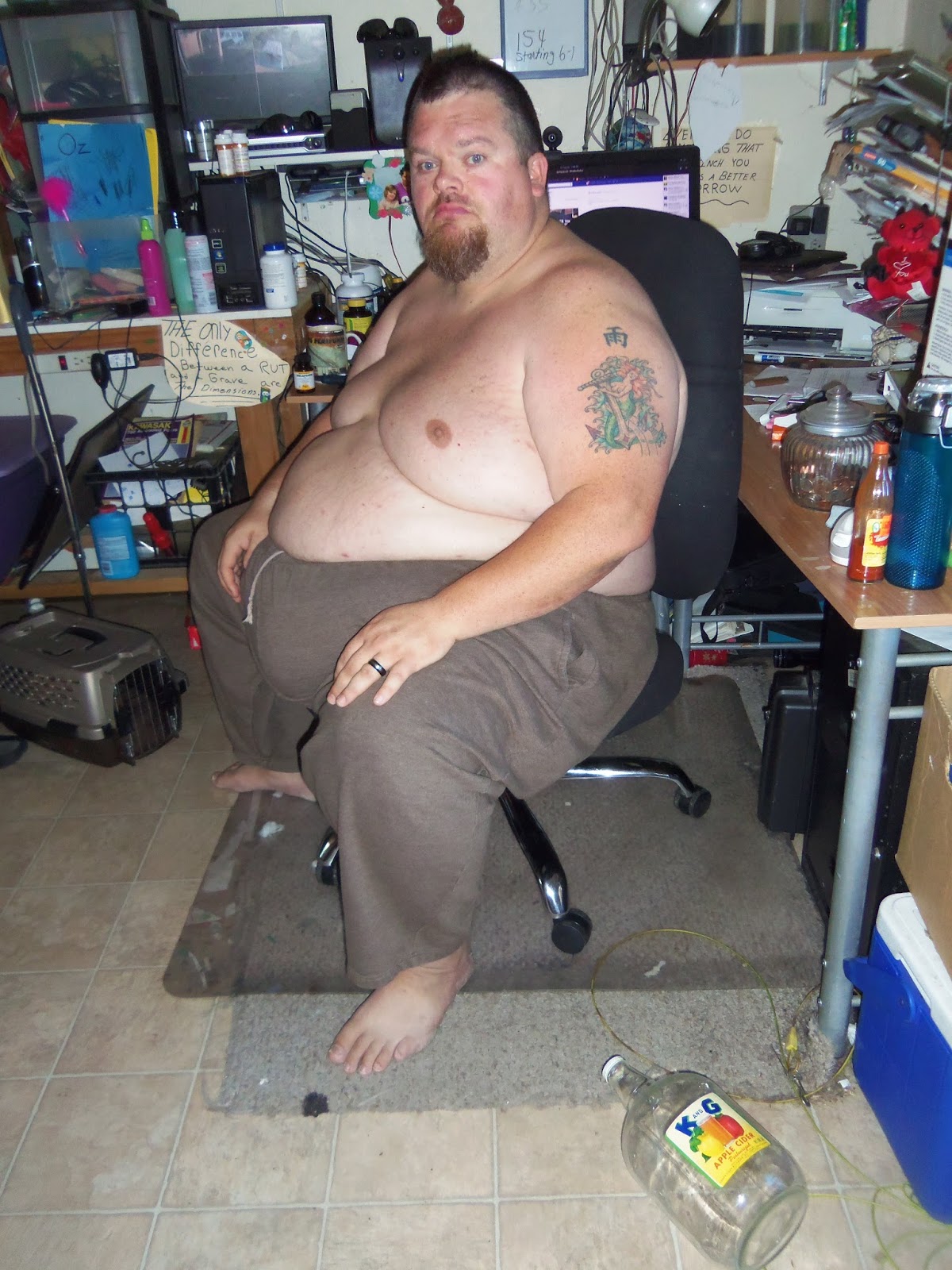
So here is me, pre-surgery. Something I don't put out there very often if I can help it. But I want to remember where I started. How far I let things go. And eventually, to look back and remember just how far I've come.
This is what 510 pounds looks like at 6'4"
I am down from a high of 580. Don't think I have any photos from then.
Blood clots that develop in the veins of the leg or pelvis, a condition called deep vein thrombosis (DVT), occasionally break up and large pieces of the clot can travel to the lungs. An IVC filter traps large clot fragments and prevents them from traveling through the vena cava vein to the heart and lungs, where they could cause severe complications or even death.
Until recently, IVC filters were available only as permanently implanted devices. Newer filters, called optionally retrievable filters, may be left in place permanently or have the option to potentially be removed from the blood vessel later. This removal may be performed when the risk of clot travelling to the lung has passed. Removal of an IVC filter eliminates any long term risks of having the filter in place. It does not address the cause of the deep vein thrombosis or coagulation. Your referring physician will determine if blood thinners are still necessary. However, not all retrievable IVC filters are able to be retrieved. These filters can be safely left in place as permanent filters.
This procedure is often done on an outpatient basis. However, some patients may require admission following the procedure. Please consult with your physician as to whether or not you will be admitted.
You will be positioned on your back.
You may be connected to monitors that track your heart rate, blood pressure and pulse during the procedure.
A nurse or technologist will insert an intravenous (IV) line into a vein in your hand or arm so that sedative medication can be given intravenously. Moderate sedation may be used. As an alternative, you may receive general anesthesia.
The area of your body where the catheter is to be inserted will be shaved, sterilized and covered with a surgical drape.
Your physician will numb the area with a local anesthetic.
A very small nick is made in the skin at the site.
Using image-guidance, a catheter (a long, thin, hollow plastic tube) is inserted through the skin to the treatment site.
Contrast material may be injected into the inferior vena cava to help guide the catheter and verify precise placement of the IVC filter in the blood vessel.
At the end of the procedure, the catheter will be removed and pressure will be applied to stop any bleeding. The opening in the skin is then covered with a dressing. No sutures are needed.
Your intravenous line will be removed.
The procedure is usually completed within one hour.
The plan is to leave my filter in for a month and then remove it. That should be loads of fun.
So now it's kind of a hurry up and wait. Tick tock tick tock.
This is what 510 pounds looks like at 6'4"
I am down from a high of 580. Don't think I have any photos from then.
What is Inferior Vena Cava Filter Placement and Removal?
In an inferior vena cava filter placement procedure, interventional radiologists use image guidance to place a filter in the inferior vena cava (IVC), the large vein in the abdomen that returns blood from the lower body to the heart.Blood clots that develop in the veins of the leg or pelvis, a condition called deep vein thrombosis (DVT), occasionally break up and large pieces of the clot can travel to the lungs. An IVC filter traps large clot fragments and prevents them from traveling through the vena cava vein to the heart and lungs, where they could cause severe complications or even death.
Until recently, IVC filters were available only as permanently implanted devices. Newer filters, called optionally retrievable filters, may be left in place permanently or have the option to potentially be removed from the blood vessel later. This removal may be performed when the risk of clot travelling to the lung has passed. Removal of an IVC filter eliminates any long term risks of having the filter in place. It does not address the cause of the deep vein thrombosis or coagulation. Your referring physician will determine if blood thinners are still necessary. However, not all retrievable IVC filters are able to be retrieved. These filters can be safely left in place as permanent filters.
How is the procedure performed?
Image-guided, minimally invasive procedures such as inferior vena cava filter placement and removal are most often performed by a specially trained interventional radiologist in an interventional radiology suite or occasionally in the operating room.This procedure is often done on an outpatient basis. However, some patients may require admission following the procedure. Please consult with your physician as to whether or not you will be admitted.
You will be positioned on your back.
You may be connected to monitors that track your heart rate, blood pressure and pulse during the procedure.
A nurse or technologist will insert an intravenous (IV) line into a vein in your hand or arm so that sedative medication can be given intravenously. Moderate sedation may be used. As an alternative, you may receive general anesthesia.
The area of your body where the catheter is to be inserted will be shaved, sterilized and covered with a surgical drape.
Your physician will numb the area with a local anesthetic.
A very small nick is made in the skin at the site.
Using image-guidance, a catheter (a long, thin, hollow plastic tube) is inserted through the skin to the treatment site.
Contrast material may be injected into the inferior vena cava to help guide the catheter and verify precise placement of the IVC filter in the blood vessel.
At the end of the procedure, the catheter will be removed and pressure will be applied to stop any bleeding. The opening in the skin is then covered with a dressing. No sutures are needed.
Your intravenous line will be removed.
The procedure is usually completed within one hour.
The plan is to leave my filter in for a month and then remove it. That should be loads of fun.
So now it's kind of a hurry up and wait. Tick tock tick tock.
Tuesday, August 13, 2013
Southern-Style Barbecue Sauce
From: The Southern Cookbook, edited by Claire S. Davidow, 1965
- 2 tbsp butter or margarine
- 1/4 cup finely chopped onion
- 1/4 cup diced, green pepper
- 1 clove garlic, crushed
- 1 cup ketchup
- 1/2 cup chili sauce
- 1/4 cup water
- 1/4 cup wine vinegar
- 1/4 cup sugar
- 1 tbsp Worcestershire sauce
- 1 tsp prepared mustard
- 1/2 tsp prepared horseradish
- 1/2 tsp salt
- 1/4 tsp black pepper
- 1/4 tsp paprika
- 1/4 tsp chili powder
Total Time: 1 Hour
Servings: About 2 3/4 cups sauce
- Heat butter in a saucepan. Add onion green pepper, and garlic. Cook over medium heat until onion and green pepper are just tender, stirring occasionally.
- Combine remaining ingredients. Add to vegetable mixture; stir to blend well. Bring to boiling, stirring until sugar is dissolved.
- Simmer over low heat 45 minutes, stirring occasionally, till vegetables are completely soft and flavors have blended.
Subscribe to:
Posts (Atom)